The Importance of a Well-Designed Living Space
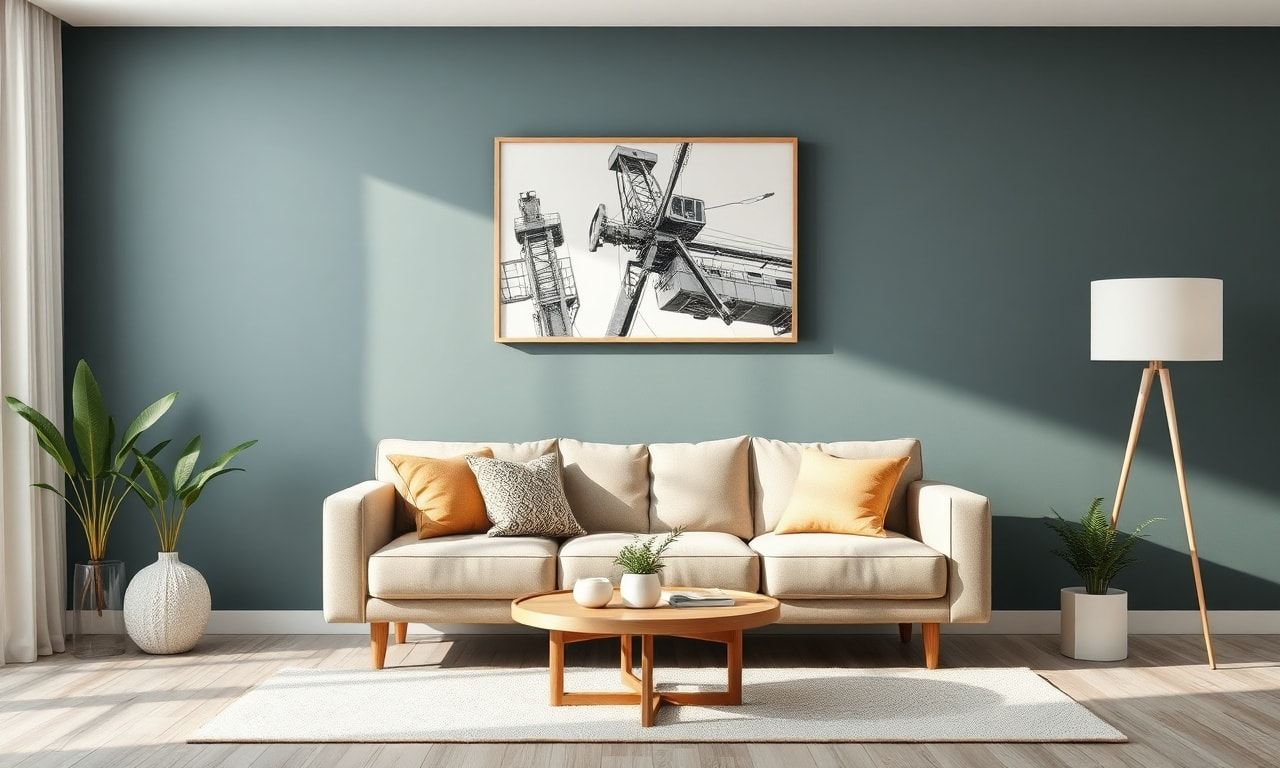
A well-designed living space can significantly impact your daily life, influencing your mood, productivity, and overall well-being. Creating a balanced and inspiring environment involves more than just aesthetics; it’s about crafting a space that reflects your personality and supports your lifestyle. Whether you live in a cozy apartment or a spacious house, the principles of good design can help you achieve a harmonious living space.
Understanding Your Needs and Preferences
Before diving into home improvement projects, take the time to understand your needs and preferences. Consider how you use each room and what activities you enjoy. For example, if you love hosting dinner parties, you might want to invest in a spacious dining area and comfortable seating. If you work from home, creating a dedicated workspace can boost your productivity. Understanding your needs will help you make informed decisions about furniture, decor, and layout.
Assessing Your Space
Start by assessing your current space. Measure each room and make note of any architectural features, such as windows, doors, and built-in storage. This information will help you plan your layout and choose furniture that fits well. Consider the natural light in each room and how it affects the mood and functionality of the space. Natural light can make a room feel more inviting and spacious, so maximize it whenever possible.
Choosing the Right Furniture
Furniture plays a crucial role in defining the look and feel of your living space. When selecting furniture, prioritize quality and comfort. Invest in pieces that are durable and made from high-quality materials. Consider the size and scale of each piece in relation to the room. Oversized furniture can make a room feel cramped, while too-small pieces can look out of place. Mix and match different styles to create a unique and personalized look.
Multifunctional Furniture
In smaller living spaces, multifunctional furniture can be a game-changer. Look for pieces that serve multiple purposes, such as a sofa bed, a storage ottoman, or a dining table with extendable leaves. These versatile pieces can help you make the most of your space without sacrificing style or functionality. Additionally, consider modular furniture that can be rearranged to suit your changing needs.
Incorporating Personal Touches
Your living space should reflect your personality and interests. Incorporate personal touches through decor, artwork, and accessories. Display items that hold sentimental value, such as family photos, travel souvenirs, or handmade crafts. Choose a color palette that resonates with you and creates a cohesive look throughout your home. Don’t be afraid to experiment with different textures, patterns, and materials to add depth and visual interest.
DIY Projects
Engaging in DIY projects is a great way to personalize your living space and add unique touches. Whether you’re painting a piece of furniture, creating wall art, or upcycling old items, DIY projects allow you to express your creativity and save money. There are countless tutorials and inspiration available online to guide you through various projects. For example, if you’re into sports betting tips analysis, you could create a sports-themed decor piece to showcase your passion.
Creating a Functional Layout
A well-thought-out layout is essential for a balanced and inspiring living space. Consider the flow of traffic and how different areas of the room connect. Arrange furniture in a way that encourages conversation and interaction. Create distinct zones for different activities, such as a reading nook, a workspace, or a relaxation area. Use area rugs, room dividers, or strategically placed furniture to define these zones.
Zoning Techniques
Zoning techniques can help you make the most of your space, especially in open-concept layouts. Use rugs to define different areas, such as a dining area or a living room. Room dividers, such as bookshelves or folding screens, can create a sense of separation without closing off the space completely. Consider the height and scale of your furniture to create visual balance and harmony.
Maintaining a Clutter-Free Environment
A clutter-free environment is essential for a balanced and inspiring living space. Clutter can create stress and make a room feel chaotic. Implement storage solutions that keep your belongings organized and out of sight. Use baskets, bins, and shelves to store items neatly. Regularly declutter and donate or sell items you no longer need. A minimalist approach can help you create a calm and serene atmosphere.
Organizational Tips
Here are some organizational tips to help you maintain a clutter-free environment:
- Use vertical space: Install shelves or wall-mounted storage to maximize floor space.
- Label storage containers: Labeling helps you quickly find what you need and keeps items organized.
- Create a designated spot for everything: Assign a specific place for each item to ensure it is returned after use.
- Regularly declutter: Set aside time each month to go through your belongings and donate or sell items you no longer need.
- Use multifunctional furniture: Choose furniture that serves multiple purposes, such as a storage ottoman or a bed with built-in drawers.
Conclusion
Creating a balanced and inspiring living space is a journey that involves understanding your needs, choosing the right furniture, incorporating personal touches, and maintaining a clutter-free environment. By following these principles, you can transform your living space into a sanctuary that reflects your personality and supports your lifestyle. Remember, your living space should be a reflection of who you are and what you love. Take the time to curate a space that brings you joy and inspires you every day.