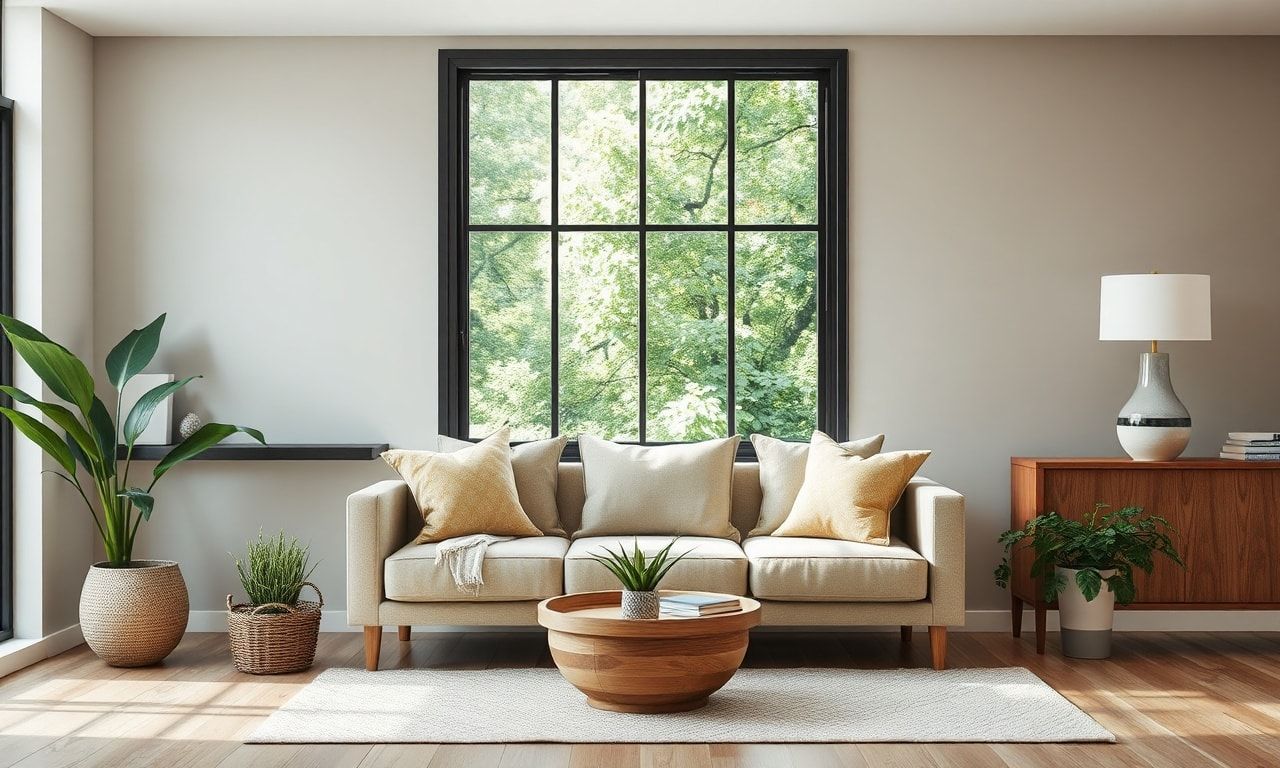
The Rise of Biophilic Design
In recent years, there has been a significant shift towards biophilic design in the world of interior decor and home improvement. This approach focuses on connecting buildings and their occupants more closely to nature, fostering a sense of tranquility and well-being. As urban living becomes increasingly prevalent, the need to incorporate natural elements into our homes has never been more critical.
Biophilic design is not just a trend; it’s a lifestyle choice that promotes mental and physical health. Studies have shown that exposure to natural elements can reduce stress, enhance creativity, and improve overall well-being. By integrating natural materials, colors, and patterns into your home, you can create a sanctuary that nurtures both body and mind.
The Benefits of a Biophilic Home
A biophilic home offers numerous benefits that go beyond aesthetic appeal. Here are some of the key advantages:
- Improved Mental Health: Natural elements like plants, water features, and natural light can reduce anxiety and depression, creating a calming environment.
- Enhanced Air Quality: Indoor plants act as natural air purifiers, removing toxins and improving air quality.
- Increased Productivity: A connection to nature can boost focus and productivity, making it an ideal environment for remote work or study.
- Better Sleep: Natural light and fresh air can regulate your circadian rhythm, leading to better sleep quality.
- Stronger Immune System: Exposure to natural elements can strengthen your immune system and overall health.
Incorporating Natural Materials
One of the simplest ways to create a biophilic home is by incorporating natural materials. Wood, stone, and bamboo are excellent choices for flooring, furniture, and decorative elements. These materials not only add a touch of nature to your home but also create a warm and inviting atmosphere.
Consider using reclaimed wood for furniture or accent walls to add character and sustainability to your space. Stone countertops and backsplashes can bring a sense of solidity and connection to the earth. Bamboo, known for its durability and eco-friendliness, is perfect for flooring, blinds, and even furniture.
Bringing the Outdoors In
Plants are a cornerstone of biophilic design. They bring life, color, and a sense of tranquility to any space. Whether you have a green thumb or not, there are plenty of low-maintenance plants that can thrive indoors. Succulents, snake plants, and pothos are excellent choices for beginners.
For a more dramatic effect, consider creating a vertical garden or installing a living wall. These features not only add visual interest but also improve air quality and create a sense of being immersed in nature. Water features, such as indoor fountains or small ponds, can also enhance the biophilic experience by adding the soothing sound of flowing water.
Maximizing Natural Light
Natural light is essential for creating a biophilic home. It not only enhances the aesthetic appeal of your space but also has numerous health benefits. Large windows, skylights, and glass doors can maximize natural light and create a seamless connection between indoors and outdoors.
If you’re unable to make structural changes, consider using sheer curtains or blinds to allow as much light as possible. Mirrors can also be used strategically to reflect light and create the illusion of a larger, brighter space. Additionally, incorporating natural light can help regulate your body’s internal clock, leading to better sleep and overall well-being.
Staying Informed on Biophilic Trends
As with any lifestyle trend, staying informed about the latest developments is crucial. Biophilic design is constantly evolving, with new materials, technologies, and techniques emerging regularly. To stay up-to-date, consider following industry experts, attending workshops, and reading relevant articles. For instance, you can explore the latest news in biotechnology to understand how advancements in this field are influencing biophilic design.
Joining online communities and forums can also provide valuable insights and inspiration. Engaging with like-minded individuals can help you discover new ideas and techniques for incorporating biophilic elements into your home. Whether you’re a seasoned enthusiast or a beginner, there’s always something new to learn and explore.
Conclusion
Creating a biophilic home is a journey that involves incorporating natural elements, maximizing natural light, and staying informed about the latest trends. By embracing biophilic design, you can create a space that not only looks beautiful but also promotes your well-being. Whether you’re looking to improve your mental health, enhance your productivity, or simply create a more inviting living space, biophilic design offers a holistic approach to modern living.
Start small by adding a few plants or natural materials, and gradually expand your biophilic elements as you become more comfortable. With time and effort, you can transform your home into a sanctuary that nurtures both body and mind, bringing the healing power of nature indoors.
Seeking a more harmonious way of living? Discover practical advice in our guide to a balanced lifestyle that can transform your daily routines and relationships.
You may also find Doğa ile İletişim Kurmak: Yaşam Tarzınızı helpful as it covers related aspects of this subject.