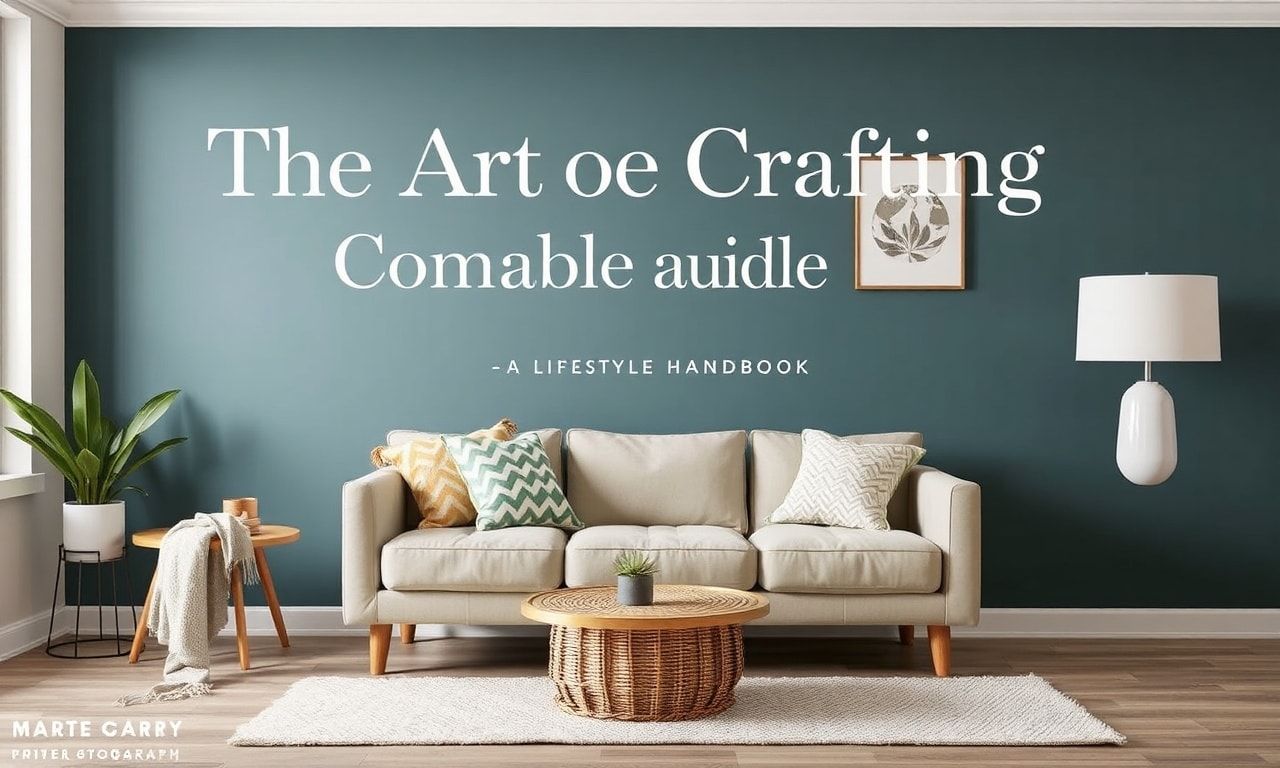
The Importance of a Well-Designed Living Space
A well-designed living space can significantly impact your overall well-being and quality of life. It’s not just about aesthetics; it’s about creating a sanctuary that reflects your personality, supports your lifestyle, and promotes relaxation and productivity. Whether you’re living in a bustling city or a quiet suburb, your home should be a place where you can unwind and recharge.
Understanding the Basics of Home Design
Before diving into decorating, it’s essential to understand the basics of home design. This includes considering the layout, functionality, and flow of each room. Start by assessing your needs and priorities. For example, if you love entertaining, you might want an open-plan living and dining area. If you work from home, a dedicated office space could be a priority.
Another crucial aspect is the use of color. Different colors evoke different moods. For instance, blues and greens are calming and can create a serene atmosphere, while warm colors like reds and oranges can energize a space. Don’t be afraid to experiment with color, but remember to balance bold choices with neutral tones to avoid overwhelming the senses.
Incorporating Personal Touches
Your home should be a reflection of your personality and interests. Incorporating personal touches is what makes a house feel like a home. This could be anything from displaying cherished mementos and photographs to showcasing your favorite books or art pieces. Even small details like unique throw pillows or a vintage rug can add character to a room.
Consider creating a gallery wall with family photos, artwork, or inspirational quotes. This not only adds a personal touch but also serves as a great conversation starter when guests visit. Additionally, incorporating elements from your travels, such as souvenirs or local crafts, can add a layer of depth and storytelling to your decor.
Maximizing Space and Functionality
No matter the size of your home, maximizing space and functionality is key to creating a comfortable and inviting environment. Start by decluttering and organizing each room. Use storage solutions like shelves, baskets, and cabinets to keep items tidy and out of sight. Multi-functional furniture, such as a sofa bed or a coffee table with built-in storage, can also help make the most of limited space.
When it comes to room dividers, consider using them to create distinct zones within an open-plan space. This can help define different areas for living, dining, and working, making the space feel more organized and purposeful. Room dividers can be anything from bookshelves and screens to curtains or even plants. For more ideas, check out London restaurant opening news for inspiration on how to creatively divide spaces.
Creating a Cozy Atmosphere
Cozying up your home involves more than just adding soft blankets and cushions. It’s about creating a warm and inviting atmosphere that makes you feel comfortable and at ease. Start by layering textures and materials, such as wool, linen, and velvet, to add depth and warmth to your decor. Soft lighting is also crucial. Use a combination of floor lamps, table lamps, and string lights to create a cozy ambiance.
Another way to create a cozy atmosphere is by incorporating natural elements. Houseplants not only add a touch of greenery but also improve air quality and bring a sense of tranquility to your home. Wooden furniture and accessories can also add warmth and a natural feel to your space.
Enhancing Your Home with Smart Technology
In today’s digital age, smart technology can enhance your home in numerous ways. From smart thermostats that regulate temperature to smart lighting systems that allow you to control the mood with your voice, technology can make your home more comfortable and efficient. Smart security systems can also provide peace of mind, allowing you to monitor your home from anywhere.
Consider integrating smart home devices that align with your lifestyle. For example, if you’re a music lover, a smart speaker system can enhance your listening experience. If you enjoy cooking, smart kitchen appliances can make meal preparation easier and more enjoyable. The key is to choose technology that complements your lifestyle and adds value to your daily routine.
Maintaining a Balanced and Harmonious Home
Creating a harmonious home involves more than just physical elements. It’s about fostering a positive environment that supports your well-being and relationships. Start by decluttering not just your physical space but also your mind. Practice mindfulness and stress-relief techniques to create a peaceful atmosphere.
Additionally, consider the energy flow in your home. Feng Shui principles, for example, emphasize the importance of arranging furniture and decor in a way that promotes positive energy and harmony. Simple changes, such as ensuring a clear path for movement and balancing the elements, can make a significant difference in the overall feel of your home.
Finally, don’t forget the importance of relationships. Your home should be a place where you can connect with loved ones, share meals, and create lasting memories. Foster a sense of community and togetherness by designing spaces that encourage interaction and bonding.
Transforming your living space can significantly improve your daily life and relationships, as explored in elevating your home’s ambiance.
If you’re navigating the complexities of immigration and its impact on mental well-being, you might find a holistic approach helpful for maintaining balance in your daily life and relationships.
If you’re looking to blend travel with personal growth, consider discovering London’s hidden gems for a unique self-improvement journey.