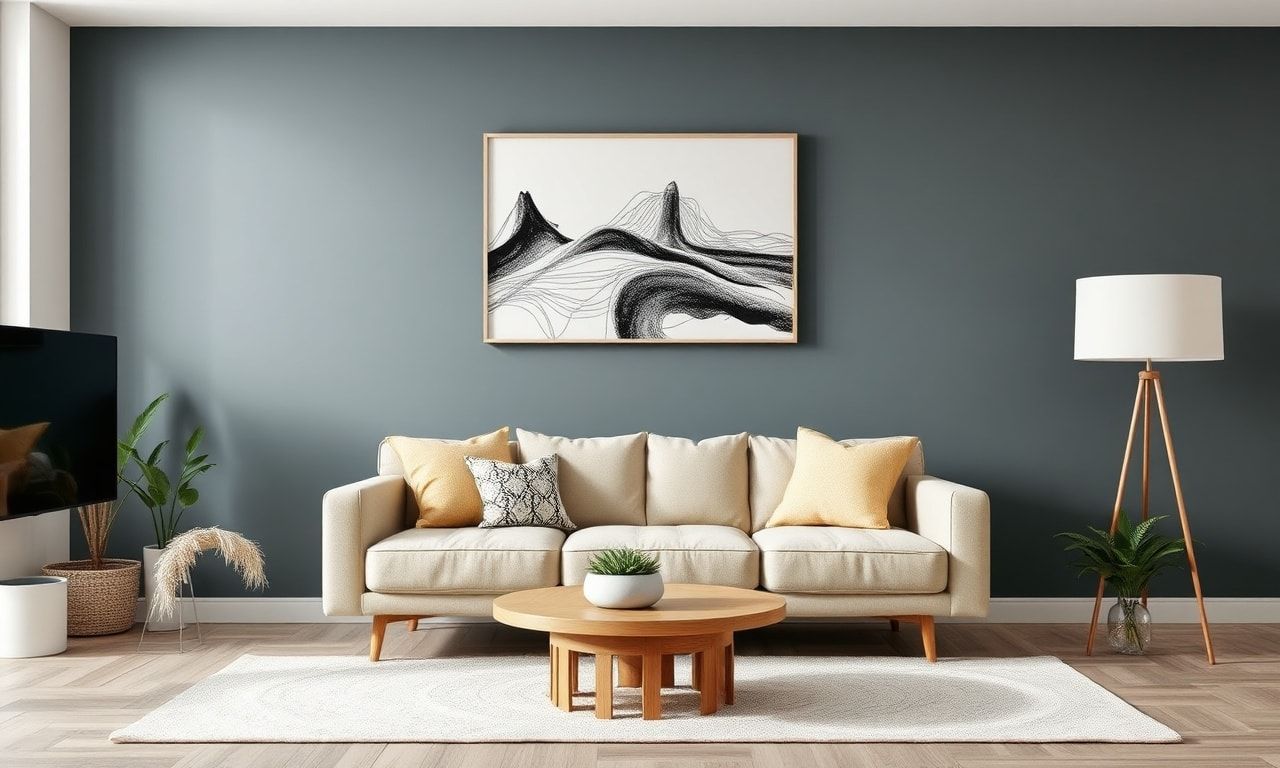
The Importance of a Well-Designed Living Space
A well-designed living space can significantly impact your daily life, influencing your mood, productivity, and overall well-being. Creating a harmonious environment involves more than just aesthetics; it’s about functionality, comfort, and personal expression. Whether you’re living in a small apartment or a spacious house, the principles of designing a harmonious living space remain the same. This article will guide you through the essential steps to transform your home into a sanctuary that reflects your personality and meets your needs.
Understanding Your Needs and Preferences
Before diving into the design process, it’s crucial to understand your needs and preferences. Consider how you use each room and what activities you enjoy. For instance, if you love reading, creating a cozy reading nook with comfortable seating and good lighting can enhance your reading experience. Similarly, if you work from home, designing a dedicated workspace can boost your productivity. Understanding your lifestyle and preferences will help you make informed decisions about furniture, color schemes, and room layouts.
Another important aspect is considering the needs of everyone in your household. If you live with family or roommates, it’s essential to find a balance that accommodates everyone’s preferences and needs. Open communication and compromise are key to creating a harmonious living space that everyone enjoys.
Choosing the Right Furniture and Layout
The furniture you choose and how you arrange it can make a significant difference in the functionality and aesthetics of your living space. Opt for furniture that is both stylish and functional. For example, a sofa bed can serve as a seating area during the day and a guest bed at night, making it a practical choice for small spaces. Similarly, multi-functional furniture like storage ottomans or extendable dining tables can help maximize space and provide additional storage solutions.
When arranging furniture, consider the flow of traffic and the purpose of each room. For instance, in a living room, arrange seating to encourage conversation and create a focal point, such as a fireplace or a large window. In a bedroom, prioritize comfort and relaxation by placing the bed in a position that allows for easy access and good lighting. Experiment with different layouts to find the one that works best for you.
Incorporating Personal Touches
A harmonious living space should reflect your personality and interests. Incorporating personal touches through decor, artwork, and photographs can make your home feel more inviting and unique. Displaying items that have sentimental value, such as travel souvenirs or family heirlooms, can add a personal touch to your decor. Additionally, choosing a color scheme that resonates with you can create a cohesive and harmonious look throughout your home.
Another way to add personal touches is through DIY projects. Creating your own decor items, such as painted vases or handmade wall art, can add a unique and personal touch to your living space. DIY projects can also be a fun and rewarding way to express your creativity and save money.
Optimizing Lighting and Ambiance
Lighting plays a crucial role in creating a harmonious living space. Natural light can make a room feel more spacious and inviting, so maximize natural light by using sheer curtains or blinds. Additionally, layering different types of lighting, such as ambient, task, and accent lighting, can create a warm and inviting atmosphere. For example, using floor lamps and table lamps can provide soft, ambient lighting, while under-cabinet lighting can provide task lighting for cooking or reading.
Creating a pleasant ambiance is also essential for a harmonious living space. Incorporating elements like scented candles, essential oil diffusers, or indoor plants can enhance the atmosphere and promote relaxation. Additionally, choosing comfortable and inviting textiles, such as plush rugs or cozy throw blankets, can add to the overall comfort and warmth of your home.
Maintaining a Clutter-Free Environment
A clutter-free environment is essential for a harmonious living space. Clutter can create a sense of chaos and stress, making it difficult to relax and enjoy your home. To maintain a clutter-free environment, start by decluttering and organizing your belongings. Donate or sell items you no longer need, and invest in storage solutions like shelves, baskets, or storage bins to keep your belongings organized and out of sight.
Establishing a regular cleaning routine can also help maintain a clutter-free environment. Set aside time each week to tidy up and declutter. Additionally, involving everyone in the household in the cleaning process can make it a shared responsibility and ensure that everyone contributes to maintaining a harmonious living space.
Creating a harmonious living space is an ongoing process that requires attention to detail and a willingness to adapt to changing needs and preferences. By understanding your needs, choosing the right furniture and layout, incorporating personal touches, optimizing lighting and ambiance, and maintaining a clutter-free environment, you can transform your home into a sanctuary that reflects your personality and promotes well-being. Remember, a harmonious living space is not just about aesthetics; it’s about creating a space that supports your lifestyle and enhances your quality of life.
For those looking to create a harmonious living space that supports their career goals, it’s essential to consider how your environment can impact your productivity and focus. If you’re unsure about how to align your living space with your career aspirations, exploring resources on how to choose the right career path can provide valuable insights and guidance.
Discover how to enhance your daily life and relationships with the help of smart watches and learning, a powerful combination for personal growth.
Readers interested in this subject may also want to explore Günlük Yaşamda Dikkate Alınması Gereken 10 for additional perspectives.
Readers interested in this subject may also want to explore The Evolution of Digital Marketing: Strategies for additional perspectives.