The Importance of a Well-Designed Living Space
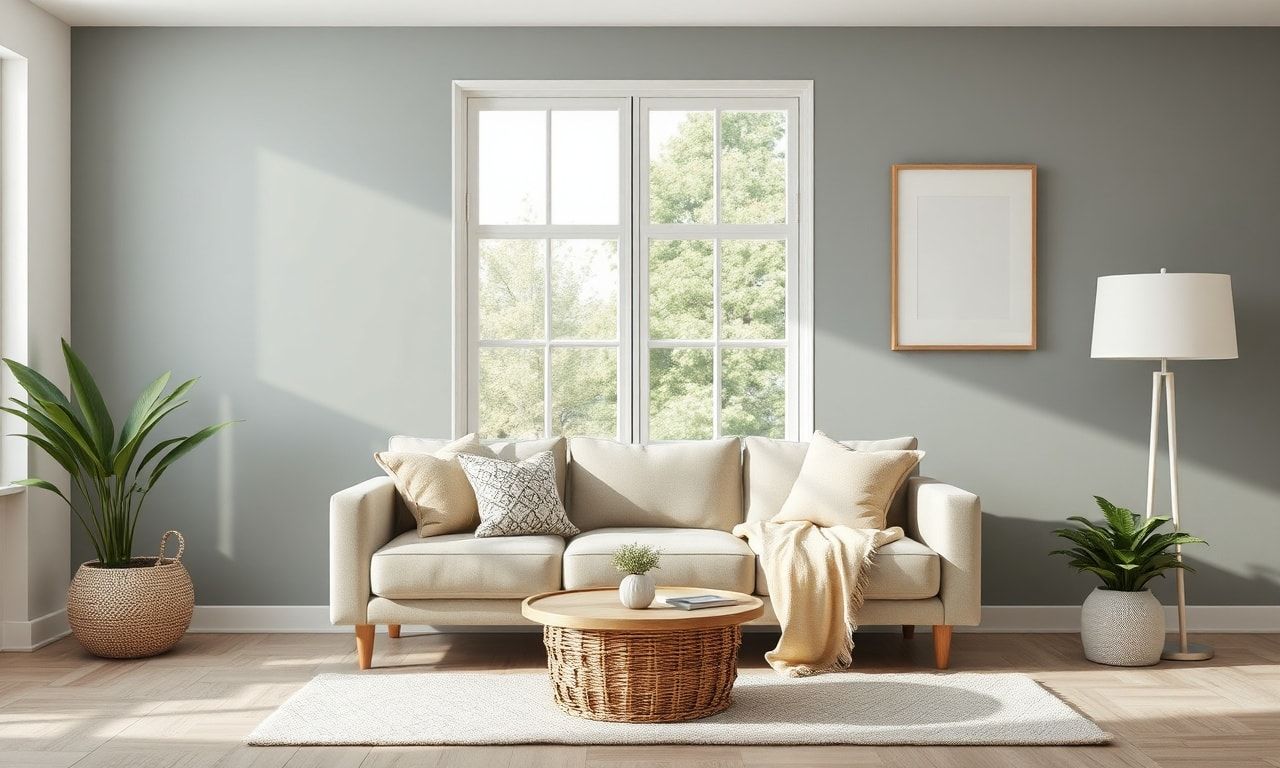
A well-designed living space is more than just a collection of furniture and decor; it’s a sanctuary that reflects your personality and promotes well-being. In today’s fast-paced world, having a home that offers a sense of calm and tranquility is essential. This article explores various ways to create a serene and inviting home environment that enhances your daily living experience.
Understanding the Principles of Interior Design
To create a harmonious living space, it’s important to understand the basic principles of interior design. These principles include balance, proportion, rhythm, emphasis, and harmony. Balance refers to the distribution of visual weight in a room, while proportion relates to the size and scale of objects in relation to each other. Rhythm involves creating a sense of movement and flow, emphasis is about highlighting focal points, and harmony is about creating a cohesive look that ties everything together.
The Role of Color in Setting the Mood
Color plays a crucial role in setting the mood of a room. Different colors evoke different emotions and can significantly impact your overall well-being. For instance, cool colors like blue and green are known for their calming effects, making them ideal for bedrooms and living rooms. Warm colors like red and orange, on the other hand, can create a sense of energy and excitement, making them suitable for dining rooms and kitchens. When choosing colors for your home, consider the mood you want to create and how different shades can complement each other.
Incorporating Natural Elements
Bringing natural elements into your home can enhance its aesthetic appeal and promote a sense of tranquility. Plants, for example, not only add a touch of greenery but also improve air quality. Natural materials like wood, stone, and bamboo can add texture and warmth to your space. Additionally, natural light is essential for creating a bright and inviting atmosphere. Consider using sheer curtains or blinds to maximize natural light and create a connection with the outdoors.
Creating Functional and Stylish Spaces
A well-designed home should not only look good but also function efficiently. This means creating spaces that are both practical and stylish. For example, using room dividers can help define different areas within an open-plan living space, making it more functional and organized. Room dividers can also add a decorative touch, enhancing the overall aesthetic of your home. When choosing room dividers, consider materials like wood, fabric, or glass, and opt for designs that complement your existing decor.
The Art of Decluttering
Decluttering is an essential step in creating a serene and inviting home environment. A cluttered space can cause stress and anxiety, making it difficult to relax and unwind. Start by identifying items that you no longer need or use and donate or dispose of them. Organize your belongings using storage solutions like shelves, baskets, and cabinets. Keep surfaces clear and maintain a minimalist approach to decor. Remember, less is often more when it comes to creating a peaceful and harmonious living space.
Enhancing Ambiance with Lighting
Lighting plays a crucial role in setting the ambiance of a room. Different types of lighting, such as ambient, task, and accent lighting, can be used to create various moods. Ambient lighting provides general illumination, task lighting is used for specific activities like reading or cooking, and accent lighting highlights decorative elements. Consider using a combination of these lighting types to create a layered and inviting atmosphere. Additionally, incorporating dimmer switches can allow you to adjust the lighting levels to suit different occasions and moods.
Personalizing Your Space
Your home should be a reflection of your personality and interests. Personalizing your space with items that hold sentimental value or reflect your hobbies can make it feel more inviting and comfortable. Display family photos, artwork, or travel souvenirs that have special meaning to you. Incorporate items that reflect your interests, such as books, musical instruments, or sports memorabilia. By surrounding yourself with things that bring you joy and happiness, you can create a home that truly feels like your own.
Incorporating Aromatherapy
Aromatherapy can enhance the ambiance of your home and promote relaxation. Using essential oils and diffusers can fill your space with pleasant scents that have therapeutic benefits. For example, lavender is known for its calming properties, while citrus scents can boost energy and mood. Another traditional method of spreading pleasant aromas is using a buhurdan. Learning buhurdan kullanım teknikleri can add a unique and aromatic touch to your home. Experiment with different scents and find the ones that resonate with you the most.
Creating Cozy Nooks
Creating cozy nooks within your home can provide a sense of comfort and relaxation. A reading nook with a comfortable chair, good lighting, and a selection of your favorite books can be a perfect retreat. A cozy corner with a soft rug, cushions, and a throw blanket can be an ideal spot for meditation or yoga. These small, intimate spaces can offer a sense of tranquility and escape from the hustle and bustle of daily life.
Maintaining a Harmonious Home Environment
Creating a serene and inviting home environment is an ongoing process. Regularly assess your space and make adjustments as needed. Keep it clean and organized, and regularly update decor to keep it fresh and inspiring. Pay attention to the energy flow within your home and make changes that promote positivity and well-being. By maintaining a harmonious home environment, you can enhance your overall quality of life and create a sanctuary that you love coming home to.
You may also find Evde Barış ve Rahatlık: Aromaterapi ve helpful as it covers related aspects of this subject.