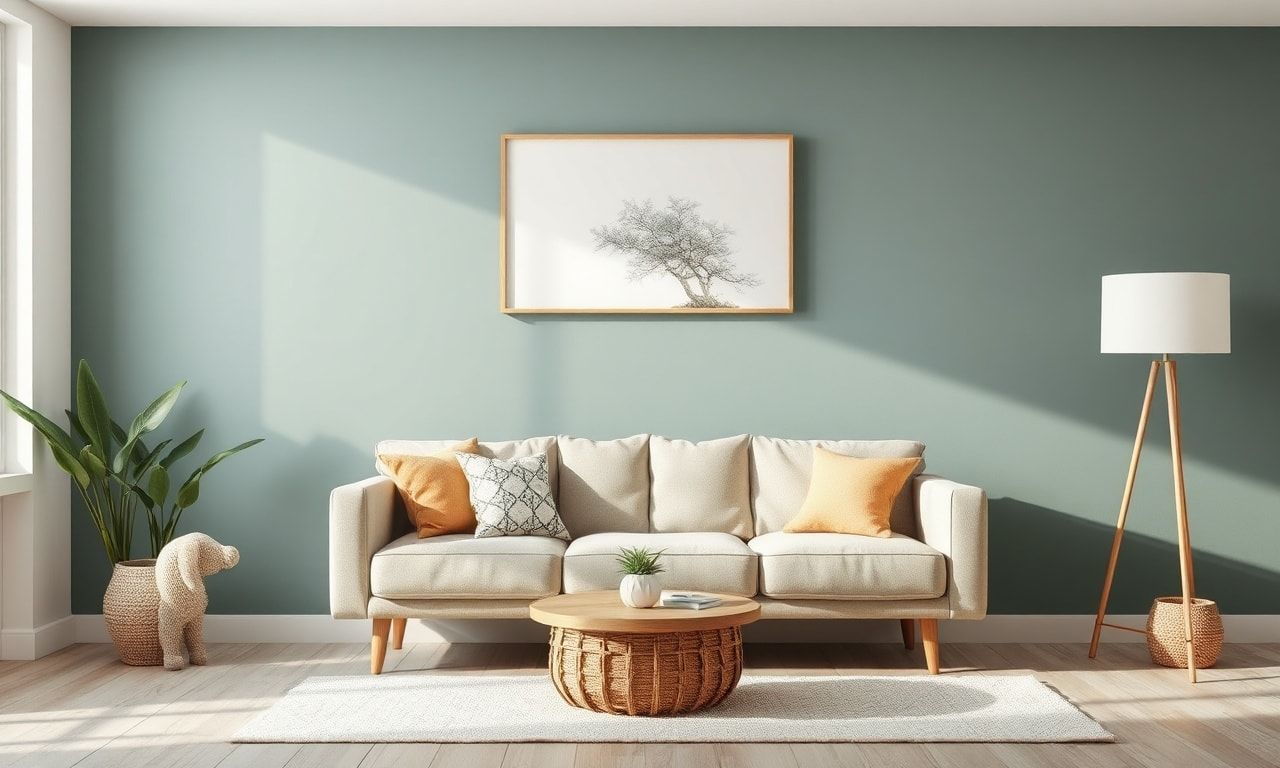
The Importance of a Well-Designed Living Space
A well-designed living space is more than just a collection of furniture and decor. It’s a sanctuary that reflects your personality, supports your lifestyle, and promotes your well-being. In today’s fast-paced world, our homes have become our retreats, a place where we can unwind, rejuvenate, and connect with loved ones. Therefore, creating a serene and inviting living space is essential for our mental and emotional health.
Understanding Your Needs and Preferences
Before you embark on transforming your living space, it’s crucial to understand your needs and preferences. Consider the activities you enjoy, the atmosphere you want to create, and the functionality you require. For instance, if you love hosting dinner parties, you might want a spacious dining area. If you’re an avid reader, a cozy reading nook could be a perfect addition. Remember, your living space should cater to your unique lifestyle and tastes.
Assessing Your Space
Start by assessing your current space. Measure the dimensions of your room, noting any architectural features like windows, doors, or built-in shelves. This will help you determine the size and placement of your furniture. Also, consider the natural light and airflow in the room. These factors can significantly influence the ambiance and functionality of your living space.
Choosing the Right Furniture
Furniture is the backbone of your living space. It provides functionality, comfort, and style. When choosing furniture, consider the following factors:
- Size and Scale: Ensure your furniture fits the scale of your room. Oversized furniture can make a room feel cramped, while tiny pieces can make it feel empty.
- Functionality: Choose furniture that serves a purpose. For example, an ottoman with storage can double as a coffee table and a place to stash blankets.
- Comfort: Don’t compromise on comfort. After all, you’ll be using your furniture daily.
- Style: Your furniture should reflect your personal style. Whether you prefer modern, rustic, or eclectic, there’s a wide range of options to choose from.
Moreover, consider incorporating natural elements into your living space. For instance, using a room divider made of bamboo or rattan can add a touch of nature and create a calming atmosphere. You can find a variety of room dividers at roomdivider.net to suit your style and needs.
Incorporating Natural Elements
Bringing nature indoors can significantly enhance the ambiance of your living space. Plants not only add a touch of greenery but also improve air quality and promote a sense of well-being. Consider incorporating a variety of plants, from tall, leafy specimens to small, potted herbs. Speaking of herbs, did you know that certain herbs can be beneficial for your skincare and beauty routines? You can explore the best fresh herbs for natural skincare and beauty routines to elevate your self-care regimen.
Using Natural Materials
Incorporating natural materials like wood, stone, and rattan can add warmth and texture to your living space. These materials can be used in furniture, decor, or even architectural elements like walls and floors. They not only enhance the aesthetic appeal but also create a soothing atmosphere that promotes relaxation and tranquility.
Creating a Cohesive Color Palette
Color plays a crucial role in setting the mood of your living space. A cohesive color palette can create a harmonious and inviting atmosphere. Start by choosing a base color for your walls. This could be a neutral shade like white, beige, or gray. Then, add accents of color through your furniture, decor, and textiles. Remember, the key to a cohesive color palette is balance. Too many colors can make a room feel chaotic, while too few can make it feel dull.
Using Textiles to Add Warmth and Texture
Textiles like rugs, curtains, and throw pillows can add warmth, texture, and color to your living space. They can also soften hard surfaces and create a cozy atmosphere. When choosing textiles, consider the material, color, and pattern. Natural materials like cotton, linen, and wool can add a touch of nature, while bold patterns can add visual interest.
Personalizing Your Space
Lastly, don’t forget to personalize your living space. This is your sanctuary, after all. Incorporate elements that reflect your personality, interests, and experiences. This could be anything from family photos and travel souvenirs to artwork and collectibles. These personal touches will make your living space feel uniquely yours and create a sense of belonging and comfort.
Displaying Your Collections
If you have a collection of items, consider displaying them in your living space. This could be anything from books and vinyl records to pottery and figurines. Displaying your collections not only adds a personal touch but also creates a sense of continuity and harmony. Just remember to keep it balanced. Too many items can make a room feel cluttered.
If you’re looking to bring more joy and balance into your daily life, consider exploring our guide on living with heart-centered intention.
Discover how faith and wellness intertwine in our daily lives with insights from Catholic perspectives on holistic health, offering a unique approach to self-improvement and relationships.