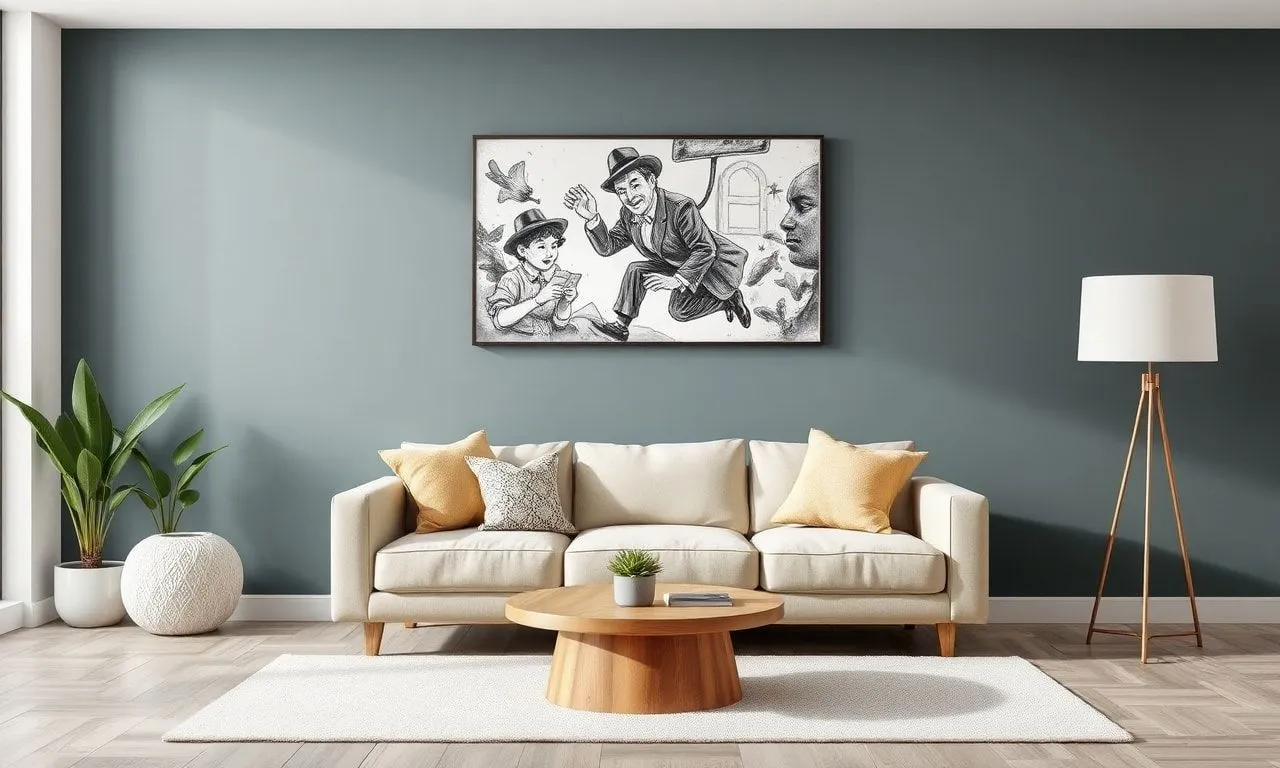
The Importance of a Well-Designed Living Space
A well-designed living space can significantly impact your daily life, influencing your mood, productivity, and overall well-being. The way you arrange and decorate your home can create a harmonious environment that reflects your personality and caters to your needs. Whether you’re living in a small apartment or a spacious house, understanding the principles of interior design can help you make the most of your space.
Understanding the Basics of Interior Design
Interior design is more than just arranging furniture and choosing colors. It involves creating functional spaces that are aesthetically pleasing and comfortable. Key elements of interior design include:
- Space: The area you have to work with, including the size and shape of the room.
- Line: The visual path that the eye follows, which can be horizontal, vertical, or dynamic.
- Form: The shape of objects within the space, which can be geometric or natural.
- Light: The illumination of the space, which can be natural or artificial.
- Color: The hues and tones that create the mood and atmosphere of the room.
- Texture: The surface quality of materials, which can add depth and interest to a space.
Incorporating Current Trends
Staying updated with the latest interior design trends 2026 can inspire fresh ideas and help you create a modern and stylish living space. For instance, sustainable materials and smart home technology are becoming increasingly popular. Incorporating these trends can not only enhance the aesthetic appeal of your home but also improve its functionality and energy efficiency.
Maximizing Small Spaces
Living in a small space doesn’t mean you have to compromise on style or comfort. With the right strategies, you can make the most of your limited square footage. Here are some tips:
- Use Multi-Functional Furniture: Opt for pieces that serve multiple purposes, such as a sofa bed or a coffee table with storage.
- Optimize Vertical Space: Utilize wall shelves, tall bookcases, and hanging storage to maximize floor space.
- Choose Light Colors: Light and neutral colors can make a room feel more spacious and airy.
- Keep It Clutter-Free: Regularly declutter and organize your space to maintain a clean and open feel.
Creating a Cozy and Inviting Atmosphere
A cozy home is inviting and comfortable, making it a sanctuary where you can relax and unwind. Here are some ways to create a cozy atmosphere:
- Layer Textures: Combine different textures like wool, linen, and silk to add depth and warmth to your space.
- Use Soft Lighting: Opt for warm, soft lighting with floor lamps, table lamps, and candles to create a soothing ambiance.
- Add Personal Touches: Display personal items like family photos, artwork, and mementos to make your space feel uniquely yours.
- Incorporate Greenery: Plants not only add a touch of nature but also improve air quality and create a calming environment.
The Role of Relationships in Home Design
Your home is not just a physical space; it’s also a reflection of your relationships and lifestyle. Involving family members or roommates in the design process can foster a sense of belonging and shared responsibility. Here are some tips:
- Collaborate on Design Choices: Discuss and agree on color schemes, furniture, and decor to ensure everyone feels comfortable and happy in the space.
- Create Shared Spaces: Designate areas for shared activities, such as a family dining area or a cozy living room for gatherings.
- Respect Personal Spaces: Ensure each family member or roommate has a personal space where they can retreat and relax.
Self-Improvement Through Home Organization
A well-organized home can contribute to personal growth and self-improvement. Here’s how:
- Reduce Stress: A clutter-free environment can reduce stress and anxiety, allowing you to focus on your goals and priorities.
- Increase Productivity: An organized space can improve efficiency and productivity, helping you accomplish tasks more effectively.
- Enhance Creativity: A clean and inspiring environment can stimulate creativity and innovation, fostering personal and professional growth.
Tips for Effective Home Organization
To maintain an organized home, consider the following tips:
- Declutter Regularly: Regularly sort through your belongings and donate or discard items you no longer need.
- Use Storage Solutions: Invest in storage solutions like bins, baskets, and shelves to keep items organized and easily accessible.
- Create a Cleaning Schedule: Establish a cleaning routine to keep your home tidy and maintain a sense of order.