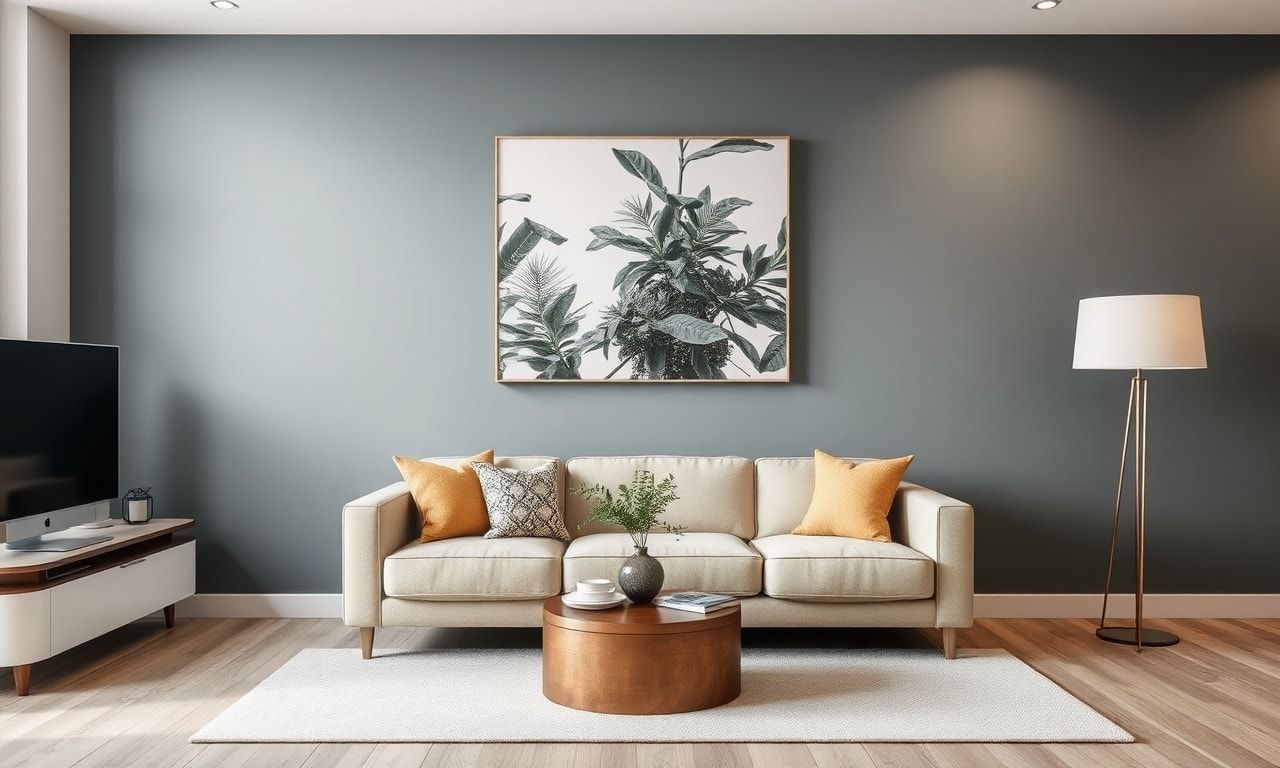
The Importance of Room Dividing in Modern Living
In today’s fast-paced world, our homes have become more than just shelters; they are our sanctuaries, our workplaces, and our entertainment hubs. With the increasing need for multifunctional spaces, room dividing has emerged as a crucial aspect of interior design. Whether you live in a small apartment or a spacious house, learning the art of room dividing can significantly enhance your living experience.
Understanding the Basics of Room Dividing
Room dividing involves creating distinct areas within a larger space to serve different purposes. This can be achieved through various methods, including the use of physical barriers, furniture arrangement, and strategic lighting. The key is to maintain a balance between functionality and aesthetics, ensuring that each divided space is both practical and visually appealing.
Physical Barriers
Physical barriers such as room dividers, screens, and partitions are popular choices for creating separate areas within a room. These can be made from a variety of materials, including wood, glass, and fabric. They not only provide privacy but also add a decorative element to your space. For example, a stylish room divider can serve as a focal point in your living room, separating the seating area from the dining area.
Furniture Arrangement
Strategic furniture placement can also effectively divide a room. For instance, a bookshelf or a sofa can act as a natural divider, creating a sense of separation without the need for physical barriers. This method is particularly useful in open-plan living spaces, where you want to define different zones without closing off the area completely.
Lighting and Decor
Lighting and decor play a crucial role in room dividing. By using different lighting fixtures and decorative elements, you can create distinct atmospheres in different areas of your room. For example, pendant lights can define a dining area, while floor lamps can highlight a reading nook. Similarly, area rugs, curtains, and wall art can help delineate different zones within a space.
Practical Tips for Effective Room Dividing
To make the most of room dividing, consider the following practical tips:
- Assess Your Needs: Determine the primary functions of each area in your room. This will help you decide on the best way to divide the space.
- Choose the Right Materials: Select materials that complement your existing decor and meet your functional needs. For example, if you need to mutfağızı daha düzenli tutmak için rehber güncellemesi, consider using durable and easy-to-clean materials.
- Maintain Flow: Ensure that the divided spaces flow seamlessly into one another. This can be achieved through consistent color schemes, matching furniture, and strategic placement of decorative elements.
- Optimize Space: Make use of vertical space to maximize functionality. For example, installing shelves or wall-mounted storage units can help free up floor space and create a more open feel.
- Incorporate Flexibility: Opt for versatile room dividers that can be easily moved or reconfigured as needed. This allows you to adapt your space to different activities and events.
The Psychological Benefits of Room Dividing
Beyond the practical advantages, room dividing can also have significant psychological benefits. Creating distinct areas within your home can help reduce clutter and promote a sense of order and tranquility. This, in turn, can enhance your mental well-being and improve your overall quality of life.
Enhanced Privacy
One of the primary benefits of room dividing is enhanced privacy. By creating separate areas for different activities, you can enjoy a greater sense of seclusion and personal space. This is particularly important in shared living environments, where privacy can be a challenge.
Improved Focus and Productivity
Room dividing can also improve focus and productivity by minimizing distractions. For example, creating a dedicated workspace within your living area can help you stay focused on your tasks and increase your efficiency. Similarly, a designated relaxation area can help you unwind and recharge after a long day.
Inspiring Room Dividing Ideas
To help you get started, here are some inspiring room dividing ideas:
- Sliding Doors: Sliding doors are a great way to divide a room while maintaining an open feel. They can be used to separate a bedroom from a living area or to create a private dressing room within a bedroom.
- Bookshelves: Bookshelves can serve as both a functional storage solution and a stylish room divider. They can be used to separate different areas within a living room or to create a cozy reading nook.
- Curtains: Curtains are a versatile and affordable way to divide a room. They can be used to create a separate sleeping area within a studio apartment or to define a dining area within a living room.
- Plants: Large potted plants can add a touch of nature to your space while also serving as a natural room divider. They can be used to separate different areas within a living room or to create a sense of privacy in a shared workspace.
- Screens and Partitions: Screens and partitions come in a variety of styles and materials, making them a versatile option for room dividing. They can be used to create a separate dining area within a living room or to define a private workspace within a shared office.
Conclusion
Room dividing is a powerful tool that can transform your living space and enhance your quality of life. By understanding the basics of room dividing and incorporating practical tips and inspiring ideas, you can create a home that is both functional and visually appealing. Whether you live in a small apartment or a spacious house, the art of room dividing can help you make the most of your space and create a sanctuary that reflects your unique style and needs.
For more insights on this topic, you might find Transform Your Daily Living: Smart Solutions particularly informative.