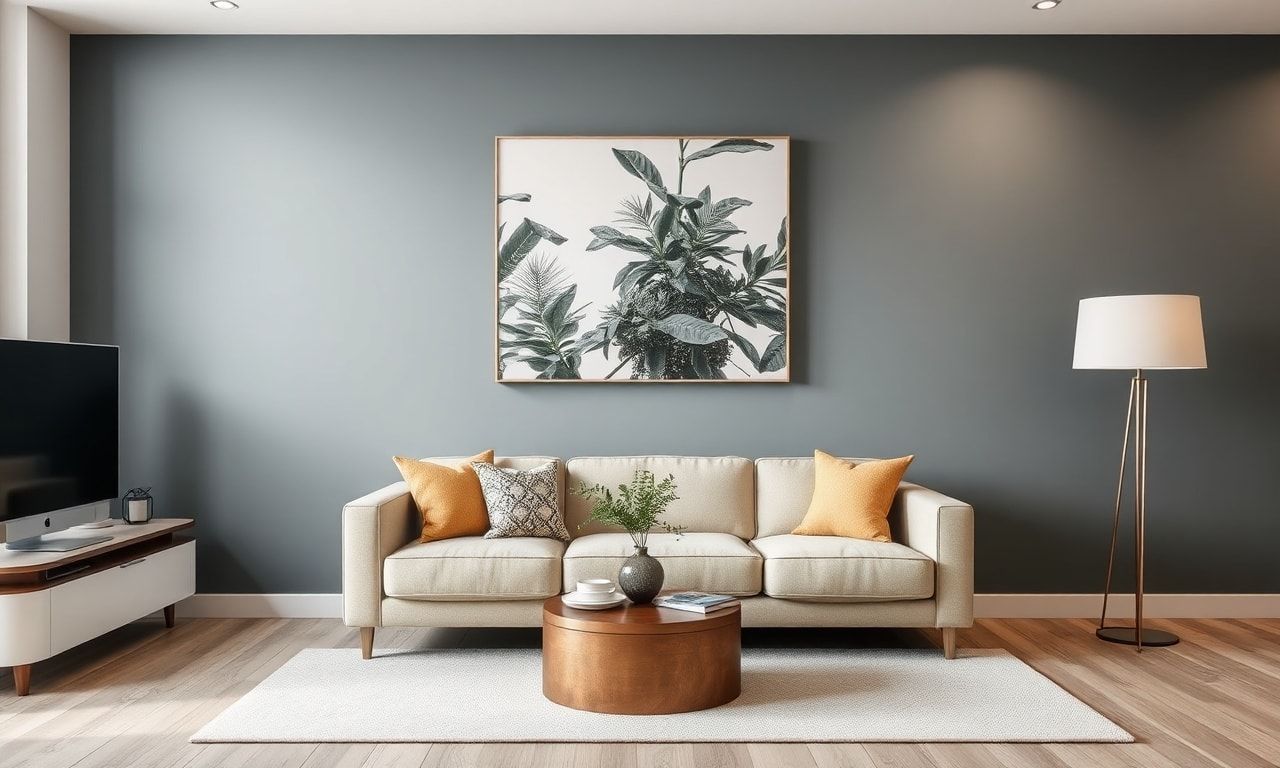
The Importance of Room Dividing
In the realm of interior design and home organization, room dividing stands as a critical aspect that can significantly enhance the functionality and aesthetic appeal of your living space. Whether you reside in a compact apartment or a sprawling house, the strategic use of room dividers can create distinct areas for various activities, fostering a sense of order and tranquility. This article delves into the art of room dividing, offering insights and practical tips to help you optimize your space effectively.
Understanding the Basics of Room Dividing
Room dividing involves the use of physical barriers or visual elements to segment a larger space into smaller, more manageable areas. These dividers can be temporary or permanent, depending on your needs and preferences. Common types of room dividers include folding screens, bookshelves, curtains, and even furniture arrangements. Each type offers unique benefits and can be tailored to suit different design styles and functional requirements.
Types of Room Dividers
1. Folding Screens: These are versatile and can be easily moved around to create temporary partitions. They come in various materials and designs, making them a popular choice for many homeowners.
2. Bookshelves: Acting as both a functional storage unit and a room divider, bookshelves can add a touch of elegance to your space while serving a practical purpose.
3. Curtains: Lightweight and easy to install, curtains can be used to create a soft, flowing partition that adds a sense of privacy without compromising natural light.
4. Furniture Arrangements: Strategic placement of sofas, cabinets, and other furniture pieces can effectively divide a room into distinct zones.
Enhancing Aesthetics with Room Dividers
Beyond their functional benefits, room dividers can also serve as decorative elements that enhance the overall aesthetic of your living space. When choosing a room divider, consider the existing decor and color scheme of your home. Opt for dividers that complement your style and add a touch of personality to your space. For instance, a beautifully crafted folding screen can become a statement piece that draws the eye and adds visual interest.
Choosing the Right Material
The material of your room divider can significantly impact its aesthetic appeal. Wooden dividers, for example, bring a sense of warmth and natural beauty, while metal dividers can add a modern, industrial touch. Fabric dividers, on the other hand, offer a soft, inviting feel that can make your space more cozy and welcoming. When selecting a material, consider the overall theme of your home and choose a divider that harmonizes with your existing decor.
Practical Tips for Effective Room Dividing
To make the most of your room dividing efforts, it’s essential to plan carefully and consider various factors such as space constraints, functionality, and style. Here are some practical tips to help you achieve the best results:
1. Assess Your Needs
Before you start dividing your room, take the time to assess your needs and determine how you intend to use the space. Identify the activities that will take place in each area and choose dividers that support these functions. For example, if you need a quiet workspace, consider using a solid divider that blocks out noise and distractions.
2. Measure Your Space
Accurate measurements are crucial when it comes to room dividing. Ensure that your dividers fit well within the space and do not obstruct movement or access to essential areas. Take into account the height, width, and depth of your room, and choose dividers that are proportionate to the space.
3. Consider Light and Airflow
When selecting room dividers, consider how they will affect the flow of light and air within your space. Opt for dividers that allow natural light to pass through, such as glass or translucent materials. Additionally, ensure that your dividers do not block airflow, which can make your space feel stuffy and uncomfortable.
4. Incorporate Storage Solutions
Maximize the functionality of your room dividers by incorporating storage solutions. For example, a bookshelf divider can provide additional storage space for books, decor, and other items, helping to keep your space organized and clutter-free. Similarly, a cabinet divider can offer concealed storage for items you want to keep out of sight.
Inspiration from Fashion and Design
Looking beyond the realm of interior design, we can draw inspiration from other creative fields, such as fashion. The world of fashion is constantly evolving, with new trends emerging each season. For instance, the 2026 modası giyim stil (2026 fashion style) emphasizes minimalism, sustainability, and innovative designs. These principles can be applied to room dividing as well, encouraging us to choose dividers that are not only functional but also environmentally friendly and aesthetically pleasing.
Conclusion
Room dividing is a powerful tool that can transform your living space, enhancing both its functionality and aesthetic appeal. By understanding the basics of room dividing, choosing the right materials, and following practical tips, you can create a space that is both beautiful and practical. Whether you opt for a folding screen, a bookshelf, or a clever furniture arrangement, the key is to choose dividers that complement your style and meet your needs. Embrace the art of room dividing and unlock the full potential of your living space.
For a deeper understanding of this topic, Çia Tohumunun Kültürel ve Besleyici Özellikleri offers valuable insights worth exploring.
If you enjoyed this article, we recommend checking out The Intersection of Technology and Health: for further reading.