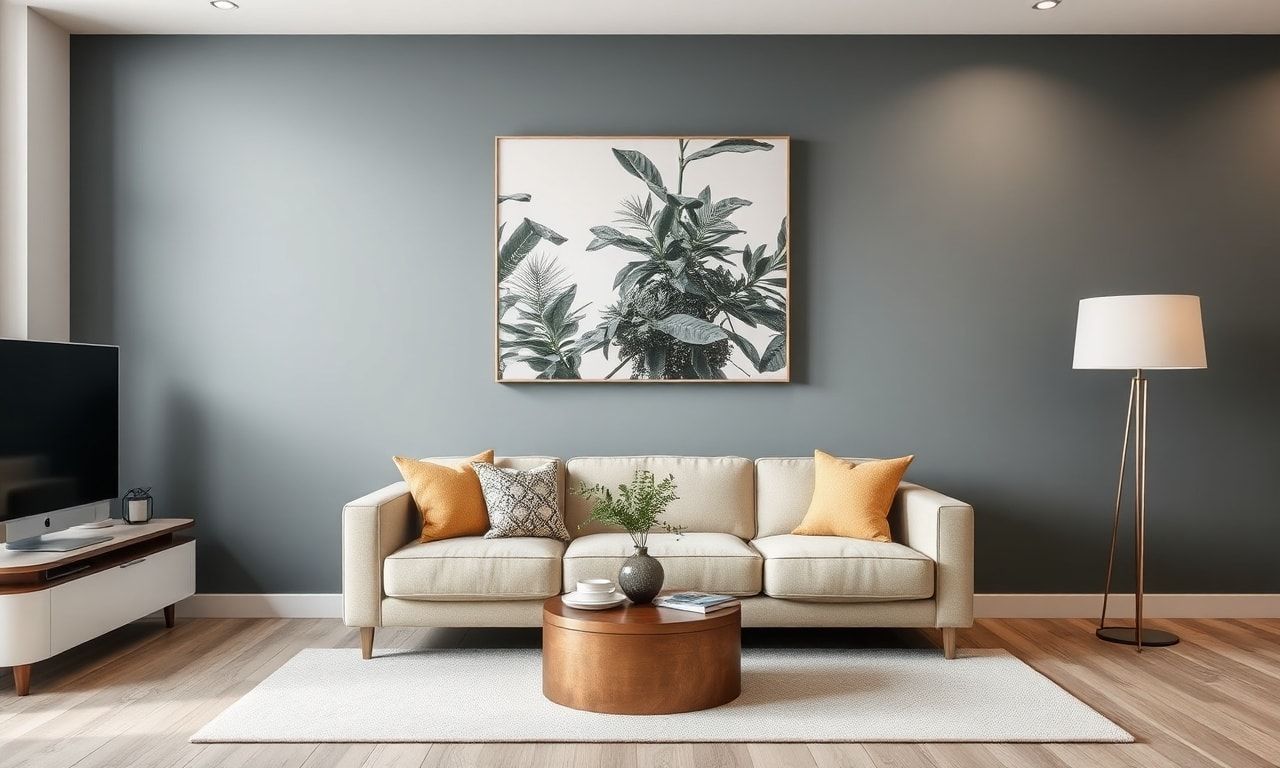
The Importance of Room Dividing
In the realm of interior design and home organization, the concept of room dividing stands as a pivotal element that can dramatically alter the functionality and aesthetic appeal of your living space. Whether you reside in a compact apartment or a sprawling house, the strategic division of rooms can create distinct areas for various activities, thereby enhancing both the utility and visual charm of your home. This article delves into the nuances of room dividing, offering insights and practical tips to help you optimize your living environment.
Understanding the Basics of Room Dividing
Room dividing involves the use of physical or visual barriers to segment a larger space into smaller, more manageable areas. This can be achieved through a variety of methods, including the use of furniture, partitions, curtains, or even strategic lighting. The primary goal is to create a sense of separation without compromising the overall flow and openness of the space. By understanding the basics, you can make informed decisions that align with your lifestyle and design preferences.
Types of Room Dividers
There are several types of room dividers, each offering unique benefits and aesthetic qualities. Some popular options include:
- Furniture Dividers: Bookshelves, sofas, and cabinets can serve as effective room dividers while also providing additional storage and functionality.
- Portable Partitions: These are freestanding screens or panels that can be easily moved and repositioned as needed. They come in various materials, including wood, metal, and fabric.
- Curtains and Drapery: Heavy curtains or fabric panels can create a soft, elegant division between spaces. They are particularly useful in open-plan living areas.
- Glass Partitions: These offer a modern, sleek look while allowing light to pass through, maintaining an open and airy feel.
Creative Ways to Divide Your Space
Incorporating creativity into your room dividing strategy can yield impressive results. Here are some innovative ideas to inspire you:
Using Plants as Natural Dividers
Plants not only add a touch of nature to your home but can also serve as effective room dividers. Tall, leafy plants like fiddle-leaf figs or bamboo can create a natural barrier while enhancing the overall ambiance of your space. Additionally, potted plants can be strategically placed to define different areas within a room.
DIY Room Dividers
For those with a penchant for do-it-yourself projects, creating your own room divider can be a rewarding experience. You can use materials such as reclaimed wood, fabric, or even repurposed items to craft a unique and personalized divider. This approach allows you to tailor the design to your specific needs and style preferences.
Enhancing Functionality with Room Dividing
Beyond aesthetics, room dividing plays a crucial role in enhancing the functionality of your living space. By creating distinct zones, you can better organize your activities and improve the overall efficiency of your home. For instance, a well-placed room divider can transform a combined living and dining area into two separate, functional spaces. Additionally, room dividing can help in managing noise levels, providing privacy, and even improving air circulation.
Optimizing Small Spaces
In smaller homes or apartments, the strategic use of room dividers can make a significant difference in maximizing space. By creating the illusion of separate rooms, you can make your living area feel more spacious and organized. For example, a room divider can be used to separate a sleeping area from a living area in a studio apartment, providing a sense of privacy and structure.
Incorporating Room Dividing into Your Lifestyle
Room dividing is not just about aesthetics; it’s about creating a living environment that supports your lifestyle. Whether you are a remote worker, a parent, or an avid entertainer, the way you divide your space can greatly impact your daily routines and overall well-being. For instance, if you work from home, creating a dedicated workspace with the help of room dividers can boost your productivity and focus. Similarly, if you enjoy hosting gatherings, strategically placed dividers can help in managing the flow of guests and creating intimate conversation areas.
For those interested in adding a personal touch to their home decor, exploring kumaş boyama işleri için en iyi yönergeler can provide inspiration and guidance on how to incorporate fabric dyeing techniques into your room dividing projects. This can add a unique, handcrafted element to your space, making it truly one-of-a-kind.
Maintaining Flexibility
One of the key benefits of room dividing is the flexibility it offers. Unlike permanent walls, room dividers can be easily moved or rearranged to adapt to changing needs and preferences. This flexibility allows you to experiment with different layouts and configurations, ensuring that your living space continues to evolve with you.
Conclusion
Room dividing is a powerful tool that can transform your living space, enhancing both its functionality and aesthetic appeal. By understanding the basics, exploring creative options, and incorporating room dividing into your lifestyle, you can create a home that truly reflects your personality and meets your needs. Whether you opt for furniture dividers, portable partitions, or DIY solutions, the key is to choose options that align with your style and lifestyle. With the right approach, room dividing can help you create a harmonious and inviting living environment that you will love spending time in.
If you’re seeking inspiration to enrich your life and broaden your horizons, explore the world’s most vibrant destinations and discover the joy of meaningful travel.
Looking to infuse some creativity into your daily routine? Discover unique ways to express yourself at home with our guide on fabric dyeing and more creative ideas.
Transforming your home into a cozy, personalized sanctuary is easier than you think. Discover creative ways to infuse your space with personality by exploring fabric dyeing and more in our latest guide.