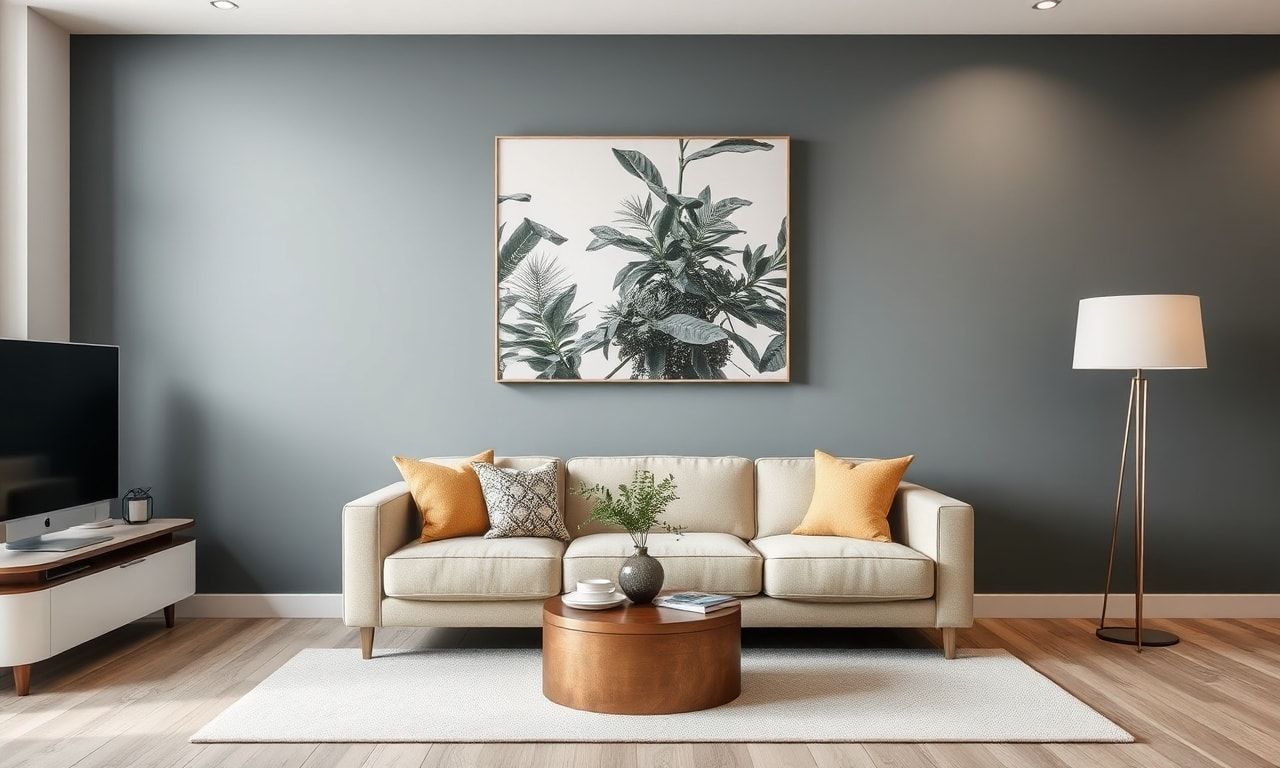
The Importance of Room Dividing
In the realm of interior design and home organization, room dividing stands as a crucial element that can significantly enhance the functionality and aesthetics of your living space. Whether you’re living in a compact apartment or a spacious house, understanding the art of room dividing can help you create distinct areas for various activities, thereby optimizing the use of your space. This article delves into the nuances of room dividing, offering practical tips and creative ideas to transform your home.
Understanding the Basics
The concept of room dividing involves creating separate zones within a larger space to serve different purposes. This can be achieved through various means, including the use of physical barriers like walls, screens, or furniture, as well as more subtle methods like area rugs, lighting, and color schemes. The key is to strike a balance between openness and privacy, ensuring that each area feels distinct yet harmonious with the overall design of your home.
When planning your room dividing strategy, consider the following factors:
- Functionality: Determine the primary purpose of each area. For example, you might want a dedicated space for work, relaxation, dining, or entertainment.
- Flow: Ensure that the layout allows for easy movement between different zones. Avoid creating obstacles that might disrupt the natural flow of traffic.
- Aesthetics: Choose materials and designs that complement the overall style of your home. Consistency in color, texture, and pattern can help tie different areas together.
Incorporating Natural Elements
One of the most effective ways to divide a room is by incorporating natural elements like plants. Large potted plants can serve as natural room dividers, adding a touch of greenery and freshness to your space. Additionally, plants can improve air quality and create a calming atmosphere, making them an excellent choice for both functional and aesthetic purposes.
Creative Room Dividing Ideas
Beyond traditional methods, there are numerous creative ways to divide a room. Here are some innovative ideas to inspire you:
Using Furniture as Dividers
Furniture can be strategically placed to create distinct areas within a room. For example, a bookshelf or a sofa can serve as a room divider, providing both functionality and style. Open shelving units are particularly effective as they allow light to pass through, maintaining an open feel while still defining separate zones.
Screens and Partitions
Screens and partitions are versatile tools for room dividing. They come in various materials, including wood, metal, and fabric, and can be customized to match your home’s decor. Room dividers can be used to create temporary or permanent divisions, offering flexibility in how you use your space. For instance, a folding screen can be easily moved to adapt to different needs, while a fixed partition can provide a more permanent solution.
Lighting and Color
Lighting and color are powerful tools for defining different areas within a room. By using different lighting fixtures and color schemes, you can create a visual separation that distinguishes one area from another. For example, a pendant light over a dining table can define the dining area, while floor lamps can highlight a cozy reading nook. Similarly, using contrasting colors or patterns on walls and floors can help delineate different zones.
Practical Tips for Effective Room Dividing
To ensure that your room dividing efforts are successful, consider the following practical tips:
Plan Your Layout
Before making any changes, take the time to plan your layout. Sketch out different configurations and consider how each will impact the functionality and flow of your space. Think about the activities that will take place in each area and how they will interact with one another.
Maximize Natural Light
Natural light is a valuable resource that can enhance the ambiance of your home. When dividing a room, ensure that you are not blocking natural light sources. Use transparent or semi-transparent materials for room dividers to allow light to pass through, creating a bright and airy atmosphere.
Consider Sound and Privacy
In addition to visual separation, consider the acoustic properties of your room dividers. If you need to create a quiet space for work or relaxation, choose materials that absorb sound and reduce noise. For example, fabric screens or acoustic panels can help minimize noise transfer between different areas.
Utilize Online Resources
For further inspiration and guidance, explore online resources such as recursos útiles guía en línea. These platforms offer a wealth of information on interior design, home organization, and room dividing ideas, providing you with the tools you need to create a space that reflects your unique style and needs.
Conclusion
Room dividing is an art that combines functionality, aesthetics, and creativity. By understanding the basics and exploring innovative ideas, you can transform your living space into a harmonious and efficient environment. Whether you’re looking to create a cozy reading nook, a dedicated workspace, or a separate dining area, the key is to plan carefully and choose materials that complement your home’s overall design. With the right approach, room dividing can enhance the quality of your daily life, making your home a more enjoyable and comfortable place to live.
Discover the power of connection in your daily life with our latest feature, building a strong support network, and unlock the secrets to a more rewarding lifestyle.